about me


Curiosity is the method.
Profile
- rol
- maker. data analyst. systems designer.
- origen
- Fine Arts → Dietetics → Data Science (UOC).
- uso previsto
- analysis, visualisation and telling the story.
- training data
- see below.
- caveats
- depth over breadth. the interests are intentional.
[a] training data
my story
I come from design. I started in Fine Arts because I wanted to understand how things work, and I got to data for the same reason: it is the invisible layer underneath everything.
I study Data Science at the UOC and Data Analytics at Ironhack at the same time. I work with Python, SQL and visualisation — and every week I care more about the real cost of building systems.
My first real project was my own account. I analyse my metrics on TikTok and Instagram to understand what works, how an audience behaves and how you measure the intangible. Real data. Real consequences.
Design didn't disappear. An analysis nobody understands isn't finished. That's where everything converges.
$ git log --graph aroa/data-journey
*a1f3c9e(HEAD → main)2026right now● in progress
+ Data Science degree (UOC) — in progress
+ Data Analytics bootcamp (Ironhack) — in progress
+ built this site with a custom TF-IDF model
+ first technical article published
*d8b02a12025building foundations✓ merged
+ Python: pandas, NumPy, Matplotlib, Seaborn
+ SQL from zero to advanced queries
+ first real project: my own social media metrics
+ discovered FinOps — the real cost of the cloud
*3e91fc72024the beginning✓ merged
+ Fine Arts: learned that everything is a system
+ Dietetics: the body as data to optimise
+ first dashboard — knew this was my thing
*???????(origin/feature/ml)nextcoming up⋯ pending
? FinOps practitioner certification
? machine learning beyond TF-IDF
? first project with real impact at a company
# this branch doesn't exist yet. soon.
right now
- ●Finishing the Ironhack bootcamp.
- ●Polishing projects for my portfolio.
- ●Writing my CV.
- ●Building and deploying my own site.
interests
›selfhosting
Running my own services at home: Jellyfin, Immich, Nextcloud. Full data control, zero third-party cloud dependency.
›local LLMs
Running language models locally with Ollama and LM Studio. Full privacy, unlimited experimentation, no API cost.
›OPSEC
Operational Security applied to everyday life: personal threat modelling, device hardening, and best practices for not leaking what you shouldn't.
content
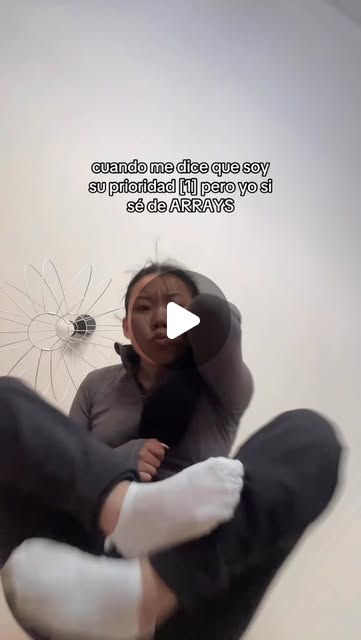
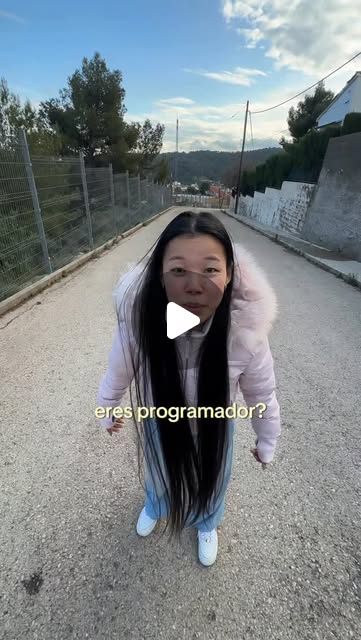
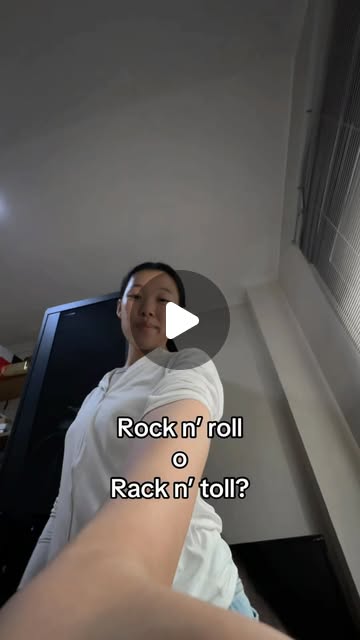
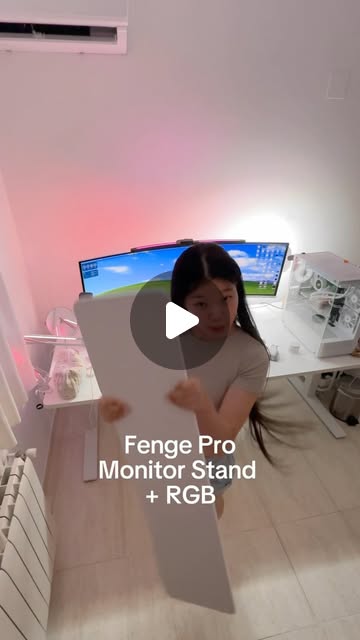
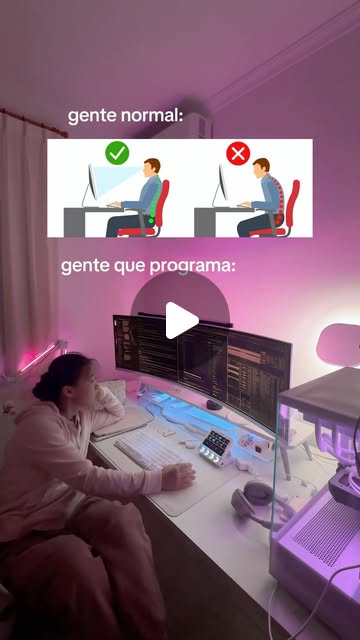
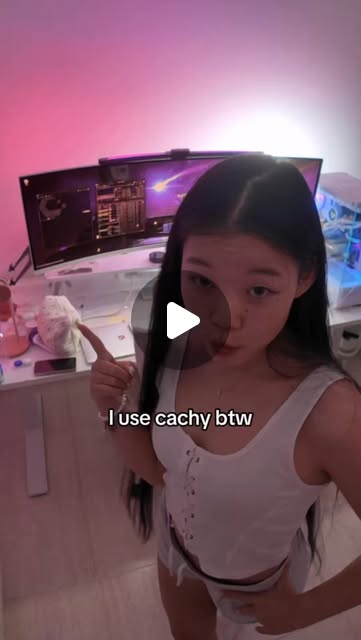
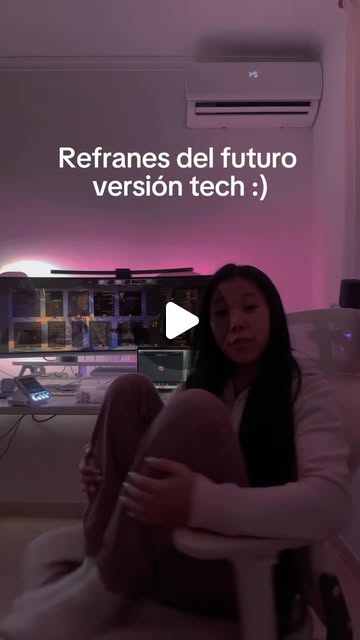
I started because as I was learning, funny metaphors and correlations kept coming to me and I felt compelled to share them. Tech humour, gadgets, setup upgrades and the process of learning data from scratch.

off-screen
- Wild Rift
- Clash of Clans
- Hay Day
- My Hero Academia
- Demon Slayer
- brown noise to focus